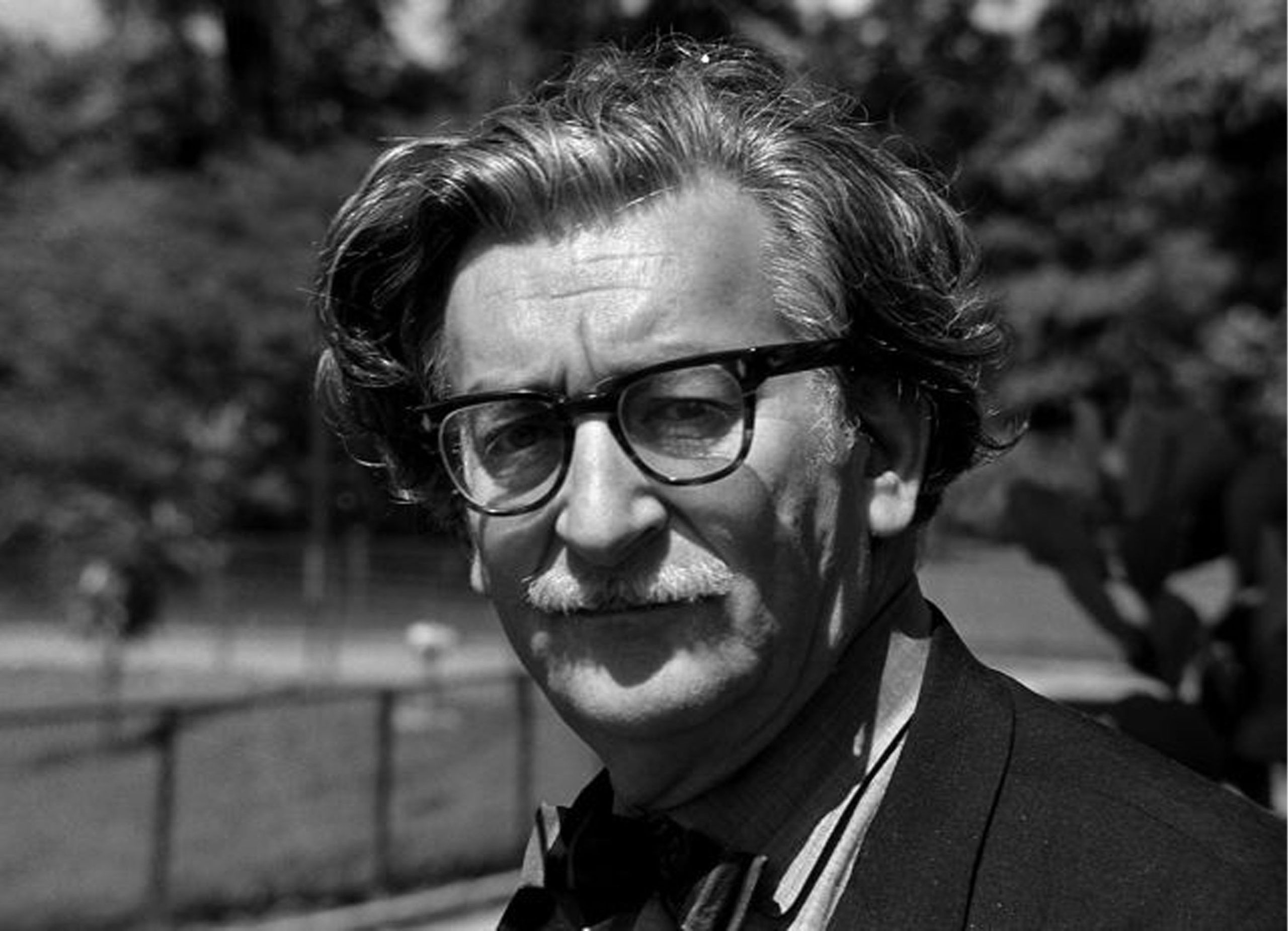
A Landscape Architect Who Painted with Plants
Roberto Burle Marx (1909-1994) wasn't your typical architect. This Brazilian visionary wasn't concerned with bricks and mortar, but rather with living, breathing canvases. Burle Marx was a landscape architect who blurred the lines between artist and designer, forever changing the way we see the spaces around our buildings.
A Modernist MaestroBurle Marx emerged during the modernist movement, a time when clean lines, geometric shapes, and functionality dominated design. He incorporated these principles into his landscapes, but with a tropical twist. Think less rigid symmetry and more flowing, organic forms.
The Magic of the NativeUnlike many of his contemporaries who favored imported flora, Burle Marx championed the beauty of his native Brazil. He became a passionate advocate for using indigenous plants, not just for their aesthetic appeal, but also for their ecological importance. His deep knowledge of these species allowed him to create stunning compositions that thrived in the Brazilian climate.
Beyond the GardenBurle Marx's talents extended far beyond the garden. He was a true Renaissance man, with skills in painting, sculpture, and even jewelry design. This artistic background heavily influenced his landscapes, which were often described as "painted gardens." He meticulously arranged plants for color, texture, and form, creating breathtaking living murals.
Architecture as a CanvasBurle Marx's genius wasn't limited to standalone gardens. He collaborated with some of Brazil's most renowned architects, including Lucio Costa and Oscar Niemeyer, to create landscapes that seamlessly integrated with their modernist masterpieces. For example, his design for the Ministry of Education building in Rio de Janeiro featured a stunning abstract roof garden, a perfect complement to the building's bold lines and geometric shapes. Similarly, his work at the Pampulha complex in Belo Horizonte blurred the boundaries between architecture and landscape, creating a cohesive and visually arresting environment.
Some examples of the projects
Copacabana promenade, Rio de Janeiro
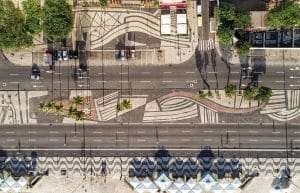
The Copacabana Promenade is a 4-kilometer-long mosaic walkway along Copacabana Beach. It is one of the most iconic public spaces in history. The promenade resembles a vast abstract canvas, with no two sections along the beach being identical. The high-contrast wave design creates a dynamic and varied visual experience along the entire stretch of the beach.
Parque del Este, Caracas, Venezuela
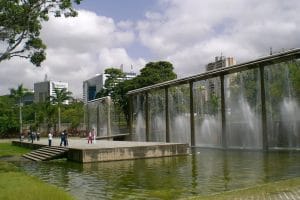
Parque del Este was completed in 1961, becoming a green sanctuary for residents and visitors. The park's prominence fostered an appreciation for landscape, conservation, and the environment in the country. Internationally, it is regarded as a highly significant example of modernist landscape design.
Sítio Roberto Burle Marx
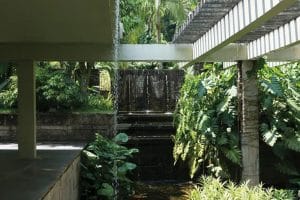
Parque Burle Marx, São Paulo
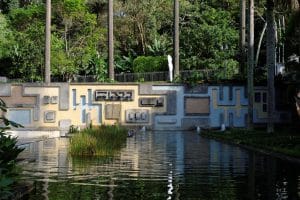
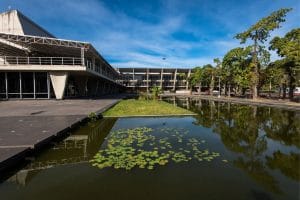
Museu de Arte Moderna, Rio de Janeiro
A Lasting LegacyBurle Marx's influence can be seen all over the world, from the iconic mosaic sidewalks of Rio's Copacabana beach to the lush gardens gracing private estates. His dedication to native plants helped spark a global conversation about ecological responsibility in landscape design.
More Than Just LandscapingExploring a Burle Marx creation is like stepping into a work of art. His gardens are not just functional spaces, but immersive experiences that transport you to a world of vibrant colors, captivating textures, and a deep connection with nature. So next time you find yourself surrounded by a thoughtfully designed landscape, remember the name Roberto Burle Marx, the artist who painted with plants, and who seamlessly integrated his work with the masterpieces of modern architecture.
What are your thoughts? Tell us in the comments below.
Sources:[1] Burle Marx’s Rooftop Masterpiece: The Ministry of Education Building in Rio de Janeiro [scholarly article exploring the Ministry of Education building and Burle Marx's design]([find scholarly article about burle marx ministry of education roof ON Project MUSE muse.jhu.edu])[2] Roberto Burle Marx: Landscape Architect article discussing Burle Marx's work at Pampulha
Comments
Be the first to comment.